All relevant conservative treatment methods are offered. The aim is to avoid surgical intervention. Groin pain or hip pain should not be tolerated over a long period of time. Damage to relevant structures in the joint is often the cause. Delayed treatment often causes premature wear of the joint.
Options for Treating Hip Pain
Physiotherapy
Special exercises can help strengthen the muscles, promote mobility and improve the stability of the hip area.
Pain medication
Non-steroidal anti-inflammatory drugs (NSAIDs) can relieve pain and reduce inflammation. In certain cases, additional painkillers or muscle relaxants may be prescribed.
Weight reduction
If you are overweight, reducing your body weight can reduce the strain on the hip joint and thus improve symptoms. However, compared to other joints, the hip joint responds less strongly to weight reduction.
Heat and cold therapy
The use of heat or cold can help relieve pain. However, since the hip is located deep in the body, the effect of these applications is often limited.
Injections
Corticosteroid injections can be used to reduce inflammation in the hip joint. Injections with hyaluronic acid or PRP can also help to relieve pain and support the joint in the long term.
Rest and relaxation
Targeted relief and rest periods can help to overcome acute pain episodes.
Aids
Walking aids or orthoses can improve mobility and relieve pressure on the hip joint.
Lifestyle changes and adaptation of sporting activities
Changes in everyday life can have a positive effect on hip pain. Sport is not fundamentally harmful to the hip joint. Individual advice is important and is often offered in special hip consultations.
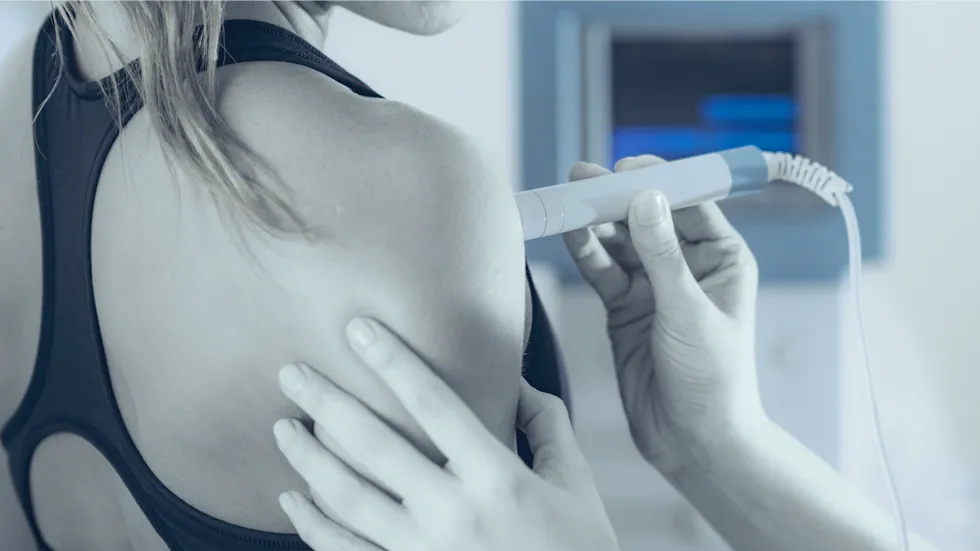
Shock wave therapy (ESWT)
This non-invasive method uses high-energy sound waves to stimulate the tissue and promote blood circulation. This therapy can have a pain-relieving effect, particularly for certain complaints such as tendinopathies.
Kinesiotaping
Elastic tapes that are applied specifically to the skin can support muscle function, promote blood circulation and reduce pain.
The selection of suitable measures should be tailored to each individual. The diagnosis, the severity of the symptoms and the patient’s reaction to the various therapeutic approaches play a decisive role.
Dr. Alexander Moser
Your hip specialist in Berlin
”Hip surgery at the highest level”
Conservative hip therapy Berlin – Hip pain treatment – Hip physiotherapy – Orthopedist Berlin
Frequently asked questions
What conservative measures do you recommend for hip pain?
<p>Various conservative measures can be considered for hip pain. Here are some recommendations:</p><p>– <strong>Physiotherapy:</strong> Targeted exercises can strengthen the muscles, improve mobility and stabilize the hip area.</p><p>– <strong>Pain medication:</strong> Non-steroidal anti-inflammatory drugs (NSAIDs) can relieve pain and reduce inflammation. In some cases, painkillers or muscle relaxants may also be prescribed.</p><p>– <strong>Weight management:</strong> If you are overweight, reducing your body weight can reduce the strain on the hip joint and alleviate symptoms. However, the hip joint responds less to weight reduction than, for example, the knee or ankle joint.</p><p>– <strong>Heat and cold therapy:</strong> Applications of heat or cold can help relieve pain. However, since the hip is located deep in the body, these applications are of secondary importance.</p><p>– <strong>Injections:</strong> Corticosteroid injections can be used to reduce inflammation in the hip joint. Hyaluronic acid injections and PRP injections can also reduce symptoms in the long term and support healing and joint preservation.</p><p>– <strong>Rest and protection:</strong> Periods of relief and rest can help overcome acute pain phases.</p><p>– <strong>Supportive aids:</strong> The use of walking aids or orthoses can facilitate mobility and relieve the joint.</p><p>– <strong>Lifestyle adjustments and modification of sporting activity:</strong> Adapting your lifestyle, such as choosing suitable seating or sleeping positions, can have a positive effect on hip pain. Sport is not generally harmful to the hip joint. On the other hand, there are sports that put a lot of strain on the hip joint. We provide detailed advice to athletes in our hip consultation.</p><p>– <strong>Shock wave therapy (ESWT):</strong> This non-invasive treatment method uses high-energy sound waves to stimulate tissue and improve blood circulation. Shock wave therapy can have a pain-relieving effect on some hip complaints, such as tendinopathies.</p><p>– <strong>Kinesiotaping:</strong> Applying elastic tape to the skin can help support muscle function, promote blood circulation and reduce pain.</p><p>The choice between these measures should be made taking into account individual needs, the diagnosis, the severity of the symptoms and the patient's response to the respective therapeutic approaches.</p>
What role does physical therapy play in the non-surgical treatment of hip problems?
<p>Physiotherapy plays a crucial role in the non-surgical treatment of hip problems. However, it should be noted that the hip joint is predominantly a bone-guided joint. The bone shape is very important for the hip joint and can be little influenced by physiotherapy and physical therapy. This clearly distinguishes the hip joint from the muscle and ligament-guided shoulder joint. Nevertheless, physiotherapy also plays an important role in the hip joint.</p><p>Here are some aspects of how physiotherapy can help relieve discomfort in the hip area:</p><p>– <strong>Muscle strengthening:</strong> Targeted exercises help strengthen the muscles around the hip joint, which improves stability and reduces stress on the joint.</p><p>– <strong>Mobility and stretching:</strong> Physiotherapists can recommend exercises to improve mobility and stretching to increase the flexibility of the hip joint.</p><p>– <strong>Correction of poor posture:</strong> Through targeted guidance, physiotherapy can help correct poor posture that may contribute to hip problems.</p><p>– <strong>Improving gait mechanics:</strong> Analysis and optimization of gait mechanics can help reduce stress on the hip joint and relieve pain.</p><p>– <strong>Pain management:</strong> Physiotherapists can teach pain management techniques, including the application of heat or cold, massage and relaxation exercises.</p><p>– <strong>Self-help instructions:</strong> The patient receives instructions and exercises that they can do at home to support the success of the therapy and promote long-term hip health.</p><p>Individually adapted physiotherapy thus plays a holistic role in the non-surgical treatment of hip problems by improving the functionality of the joint and promoting the patient's quality of life.</p>
What medications are used to relieve pain from hip problems?
<p>Various medications can be used to relieve pain from hip problems, depending on the cause and severity of the symptoms. Here are some common options:</p><p>– <strong>Non-steroidal anti-inflammatory drugs (NSAIDs):</strong> These include ibuprofen, naproxen and celecoxib. These medications can reduce inflammation and relieve pain.</p><p>– <strong>Analgesics (painkillers):</strong> Paracetamol is a commonly used painkiller for mild to moderate pain.</p><p>– <strong>Muscle relaxants:</strong> For muscle tension in the hip area, muscle relaxants may be prescribed to relax the muscles.</p><p>– <strong>Opioid analgesics:</strong> In severe cases of hip pain, particularly after injuries or operations, opioid analgesics may be considered. These are normally used for short periods under strict medical supervision.</p><p>– <strong>Corticosteroid injections:</strong> Directly into the hip joint can reduce inflammation and provide short-term pain relief.</p><p>– <strong>Hyaluronic acid injections:</strong> These injections are sometimes used to improve the joint fluid and promote sliding ability in the hip joint. Hyaluronic acid acts as a natural lubricant and can help improve joint function.</p><p>– <strong>Platelet-rich plasma (PRP):</strong> This treatment involves taking blood, which is centrifuged to obtain concentrated plasma with an increased amount of platelets. The PRP is then injected into the hip joint to promote healing of tissue damage and reduce inflammation.</p><p>The choice of medication depends on the specific diagnosis, individual medical history and other factors. Long-term use of certain medications, particularly NSAIDs and opioids, should be discussed with a doctor to consider potential side effects.</p>
Are there any specific exercises that can relieve hip pain?
<p>Yes, certain exercises can help relieve hip pain, especially if performed regularly and correctly. Here are some exercises that are often recommended:</p><p>– <strong>Hip flexor stretch:</strong> Position: Stand upright. Execution: Place one foot back and bend the knee to stretch the hip flexor. Tilt the pelvis slightly forward to intensify the stretch.</p><p>– <strong>Piriformis stretch:</strong> Position: Lie on your back. Execution: Cross one leg over the other and pull the knee of the upper leg with your hand toward the opposite shoulder blade to stretch the piriformis muscle.</p><p>– <strong>Hip abduction with resistance:</strong> Position: Lying on your side. Execution: Lift the upper leg sideways while using resistance (e.g. Theraband) to strengthen the hip abductors.</p><p>– <strong>Knee to chest:</strong> Position: Lie on your back. Execution: Pull one knee toward your chest and hold to stretch the muscles in your lower back and hip.</p><p>– <strong>Bridge:</strong> Position: Lie on your back, knees bent, feet hip-width apart. Execution: Lift your pelvis so that a straight line forms from your shoulders to your knees to strengthen your gluteal muscles and the muscles around your hips.</p><p>It is advisable to speak with a healthcare provider, such as a physiotherapist, before starting an exercise program to ensure that the exercises meet your individual needs and health condition.</p>
How effective is weight management as a conservative measure for hip joint problems?
<p>The hip joint does not respond as well to weight reduction as the knee or ankle joint. Nevertheless, weight management can be an effective conservative measure for hip joint problems, especially if overweight or obesity plays a role in the symptoms. Here are some reasons why weight management is considered a therapy option:</p><p>– <strong>Reduction of joint stress:</strong> Excess weight increases the strain on the hip joint. Weight reduction can reduce this strain, relieving the joint.</p><p>– <strong>Improvement of joint function:</strong> A healthy weight can improve the mobility and function of the hip joint, which is particularly important in cases of degenerative joint diseases such as osteoarthritis.</p><p>– <strong>Anti-inflammatory effect:</strong> Obesity can contribute to an inflammatory state in the body. Weight loss can reduce inflammatory processes, which is beneficial for inflammatory hip diseases.</p><p>– <strong>Health improvements:</strong> Weight management has positive effects on other health parameters, such as blood sugar, blood pressure and cholesterol levels, which in turn can support overall health.</p><p>– <strong>Improvement of quality of life:</strong> By reducing hip pain and discomfort, weight management can significantly improve quality of life.</p><p>Weight management should be considered as part of a comprehensive treatment approach that also includes nutrition, exercise and possibly physiotherapeutic measures.</p>
What is the importance of rest and protection in the non-surgical treatment of hip pain?
<p>Rest and protection play an important role in the non-surgical treatment of hip pain, especially in acute phases or after injuries. The joint should initially be protected, particularly in cases of overreaction, muscular reactions and minor injuries. Here are some reasons why rest and protection can be important:</p><p>– <strong>Reduction of inflammation:</strong> Rest reduces the strain on the hip joint, which helps to reduce inflammatory processes.</p><p>– <strong>Protection from further injuries:</strong> In phases of acute pain or after injuries, protection helps protect the hip joint from additional stress to support the healing process.</p><p>– <strong>Avoidance of overload:</strong> Excessive strain can lead to worsening of hip pain. Rest allows a break from stressful activities and helps reduce stress on the joint.</p><p>– <strong>Preparation for targeted therapy:</strong> Rest periods also offer the opportunity to better plan and implement targeted therapeutic approaches.</p><p>Rest and protection are not synonymous with complete inactivity. Moderate levels of exercise, especially under the guidance of healthcare providers, can help maintain joint function.</p>
Can injections such as corticosteroid injections help with hip problems?
<p>Yes, injections such as corticosteroid injections, hyaluronic acid injections and PRP injections can help with hip joint problems and are often used as part of non-surgical treatment. Here are some explanations of the respective injections:</p><p>– <strong>Corticosteroid injections:</strong> These injections contain anti-inflammatory steroids that can reduce pain and inflammation in the hip joint. They are particularly useful for inflammatory conditions such as bursitis or certain forms of osteoarthritis.</p><p>– <strong>Hyaluronic acid injections:</strong> Hyaluronic acid is a natural component of joint fluid. The injection of hyaluronic acid can improve joint fluid, promote gliding ability and relieve pain in osteoarthritis.</p><p>– <strong>PRP injections:</strong> PRP is obtained from the patient's own blood, centrifuged and then injected into the hip joint. It contains a high concentration of platelets that release growth factors and can promote the healing process.</p><p>The effectiveness of these injections can vary and depends on the specific diagnosis, the severity of the disease and other individual factors. In some cases, they can provide temporary relief or reduce the need for pain-relieving medication.</p>
What lifestyle adjustments can help improve hip problems?
<p>Lifestyle adjustments or modifications to activity, occupation and sporting activities can make a significant contribution to improving hip problems. Some sports are particularly stressful for the hip joint. These are usually sports with very wide joint movements. These include: football, martial arts, ballet and even yoga under unfavorable physical conditions.</p><p>In addition to targeted athlete advice, here are some other aspects and recommendations:</p><p>– <strong>Weight management:</strong> A healthy diet and regular physical activity can help maintain or achieve a healthy body weight.</p><p>– <strong>Exercise and physiotherapy:</strong> Targeted exercises that strengthen the muscles around the hip, improve mobility and support joint function can alleviate hip problems.</p><p>– <strong>Posture and ergonomics:</strong> Maintaining good posture when sitting, standing and walking can help minimize stress on the hip joint.</p><p>– <strong>Footwear:</strong> Wearing well-fitting, supportive shoes can reduce stress on the hips.</p><p>– <strong>Heat and cold therapy:</strong> Applying heat or cold packs can help relieve pain depending on the situation.</p><p>– <strong>Sleeping position:</strong> A supportive sleeping position and possibly the use of special pillows can relieve the hip area.</p><p>– <strong>Non-smoking:</strong> Smoking can impair the healing process and increase the risk of joint problems.</p><p>– <strong>Stress management:</strong> Stress can negatively affect muscle tone and pain perception.</p>
Which supportive aids can help with conservative treatment of the hip?
<p>Various supportive aids can play a role in the conservative therapy of hip problems. Here are some examples:</p><p>– <strong>Walking aids (walking stick or crutches):</strong> These can improve stability when walking and reduce stress on the hip, particularly during rehabilitation.</p><p>– <strong>Orthopedic shoe insoles:</strong> Specially adapted insoles can help correct foot and leg position, which in turn can reduce stress on the hip joint.</p><p>– <strong>Orthoses (hip orthoses):</strong> Specially designed orthoses can stabilize the hip and support joint alignment. They are often used for certain hip problems such as instability or osteoarthritis.</p><p>– <strong>Hip belts:</strong> These supportive belts can compress and stabilize the hip, which can lead to relief of symptoms, particularly in muscular problems or bursitis.</p><p>– <strong>Walking frames or rollators:</strong> For people with advanced hip problems or after operations, walking frames or rollators can offer additional stability and support when walking.</p><p>– <strong>Cushions:</strong> For hip pain, a special cushion can help reduce pressure on the hip joint.</p>
How long does it usually take for conservative measures to show noticeable improvement in hip joint problems?
<p>The time until noticeable improvement of hip joint problems through conservative measures can vary greatly and depends on various factors:</p><p>– <strong>Acute problems:</strong> In acute hip problems, conservative measures can often bring noticeable relief within weeks.</p><p>– <strong>Chronic problems:</strong> In chronic hip joint problems, improvement can take longer. It can take several weeks to months to achieve a sustained reduction in pain.</p><p>– <strong>Individuality:</strong> Each patient responds differently to conservative measures.</p><p>– <strong>Therapy intensity:</strong> The consistency and intensity of implementation of conservative measures can influence the time until improvement.</p><p>– <strong>Cooperation with the doctor or physiotherapist:</strong> Cooperation is an important factor and can support the success of conservative therapy.</p><p>In the case of structural injuries to the joint, it may sometimes be necessary to switch from conservative treatment to surgical treatment to avoid permanent damage to the joint.</p>